
The Ultimate Church Photography Guide

Great photography transforms your church website from generic to authentic. Here's a complete guide to capturing compelling photos of your congregation, services, and community life.
--
One of the most critical elements of your church website—and church communications as a whole—is photography.
Great photography can turn a good website into a great website. And honestly, poor photography can turn a great website into an okay one.
Drawing from over a decade of experience, we'll walk you through how to take great photos for your church—whether you're a volunteer photographer, communications director, or pastor wearing way too many hats.
This guide isn't about fancy gear or Instagram trends. It's about telling the story of what God is doing in and through your church—clearly, authentically, and consistently.
Why Church Photography Matters More Than You Think
Photography plays three critical roles for churches:
- It shapes first impressions - For many people, your website homepage and social media are their first interaction with your church. Before they ever attend a service, they're already forming opinions based on your photos.
- It tells your story to insiders and outsiders - Photography helps your congregation see themselves as part of a shared story—and helps newcomers imagine themselves belonging.
- It is an anchor element for creative assets - You'll use images in your graphics, on your website, on signs, and more. Great photography will boost the quality of all these other creative assets.
Good church photography doesn't just document events. It communicates warmth, diversity, worship, community, and mission.

Story Over Aesthetic (Every Time)
This is the most important principle in church photography:
Story always beats aesthetic.
Yes, cinematic lighting and great edits are nice. But photos that capture real moments—connection, joy, worship, prayer—will always matter more.
Ask yourself while shooting:
- Does this photo show people, not just stages?
- Does it reflect what a real Sunday feels like?
- Would someone unfamiliar with our church understand what we value?
Moments tell stories. Stories build trust. And trust is what ultimately leads first-time visitors to walk through your doors.

Practical Guidelines for Taking Better Church Photos
Here are some simple best practices that make a huge difference:
- Shoot in RAW if your camera allows it (this gives more flexibility in editing).
- Make sure photographers wear a volunteer badge.
- Don't take too many photos. At the end of the day, if you have 30 great photos from your Sunday services, you'll be in great shape.
- Take photos regularly. Capturing photos 2-3 times a month will results a robust photo library for your church.
- Capture all aspects of your church. Your photos should reflect the real people of your church. Don't just take photos of what's happening on stage.

What to Photograph on a Sunday
One of the biggest challenges for volunteer photographers is knowing what to capture. Here's a simple framework.
Pre-Service Photos
- People arriving
- Smiling faces
- Volunteers serving
- Coffee and conversations
- Kids checking in
Post-Service Photos
- Groups talking and laughing
- Families together
- New connections
- Volunteers interacting with guests
Worship & Teaching
- Close-ups of worship leaders
- Wide shots of the stage
- Congregation singing
- Hands raised in worship
- Preacher close-ups and wide crowd shots
Kids & Youth Ministry
- Kids having fun
- Volunteers engaging with kids
- Worship, lessons, crafts, and activities
- Smiles > posed photos
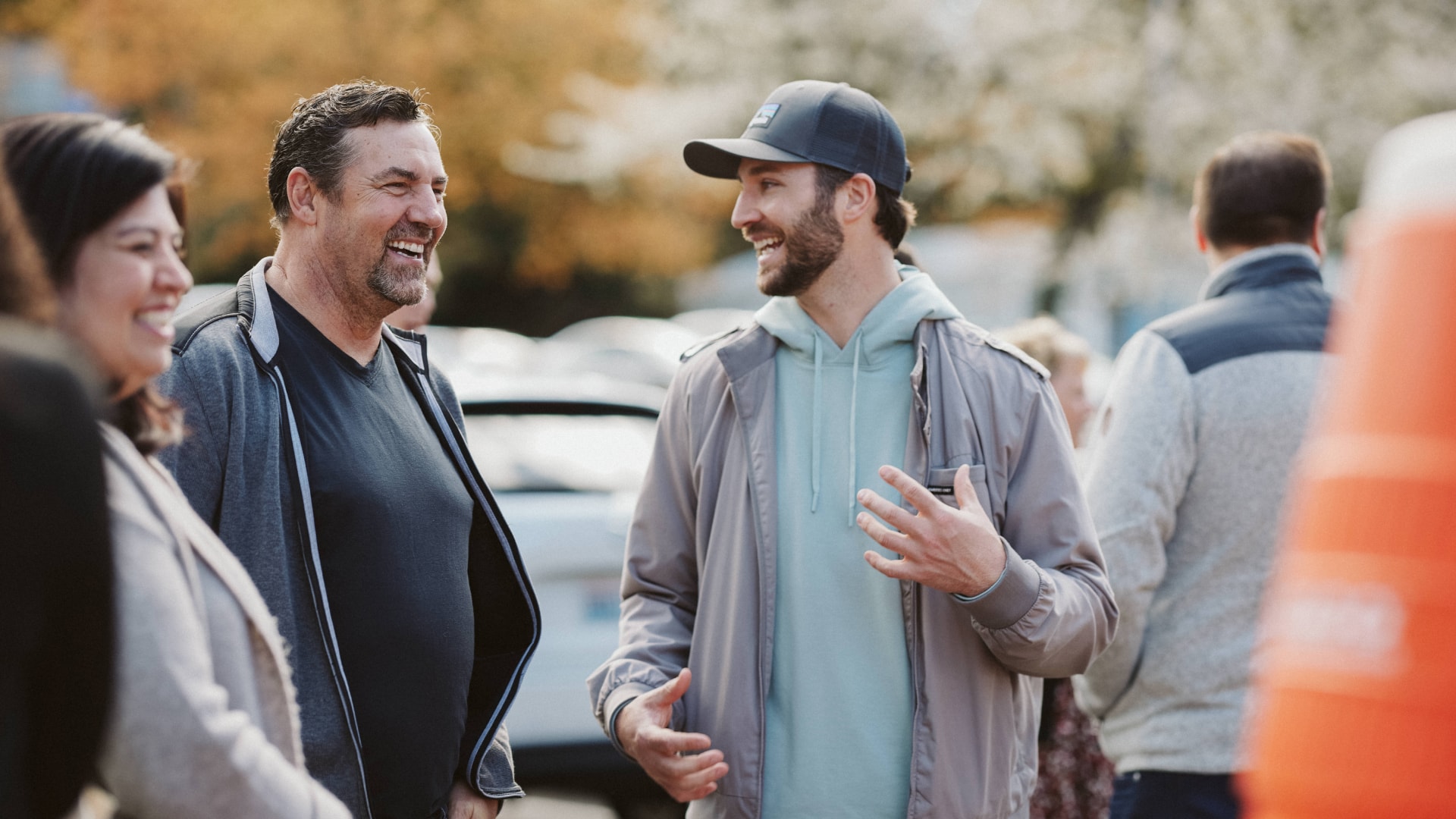
Editing & Consistency Matter
Consistency is what separates amateur church photography from professional-looking church photography.
A few tips:
- Use the same editing style or preset whenever possible
- Adjust exposure, white balance, and crop—but avoid heavy filters
- Aim for natural skin tones and realistic colors
Consistency helps your website and social media feel cohesive and trustworthy.
How These Photos Support Your Church Website
Photography isn't just for social media—it's foundational to your website.
Strong church website photography:
- Makes your homepage feel welcoming by showing real people
- Builds trust with first-time visitors by giving them a picture of what it looks like to join the community
- Helps people quickly understand your church's culture
- Supports key pages like Plan a Visit, About, and Ministries
Good photography paired with great website copy is what turns a church website from a digital placeholder into a genuine reflection of your community. If you want to see examples of churches doing this well, check out our roundup of the best church websites.
Need help building a church website that showcases your community beautifully? Get a free quote from our team and let's create something that truly represents your church.
Related Resources

AEO for Churches: How to Get Found in the Age of AI Search

How Much Does a Church Website Cost? A Transparent Pricing Guide

WordPress vs Webflow: Why We Build Every Church Website on Webflow

Is Webflow Secure? Why Churches Can Trust Webflow for Their Website
The Ultimate Church Photography Guide
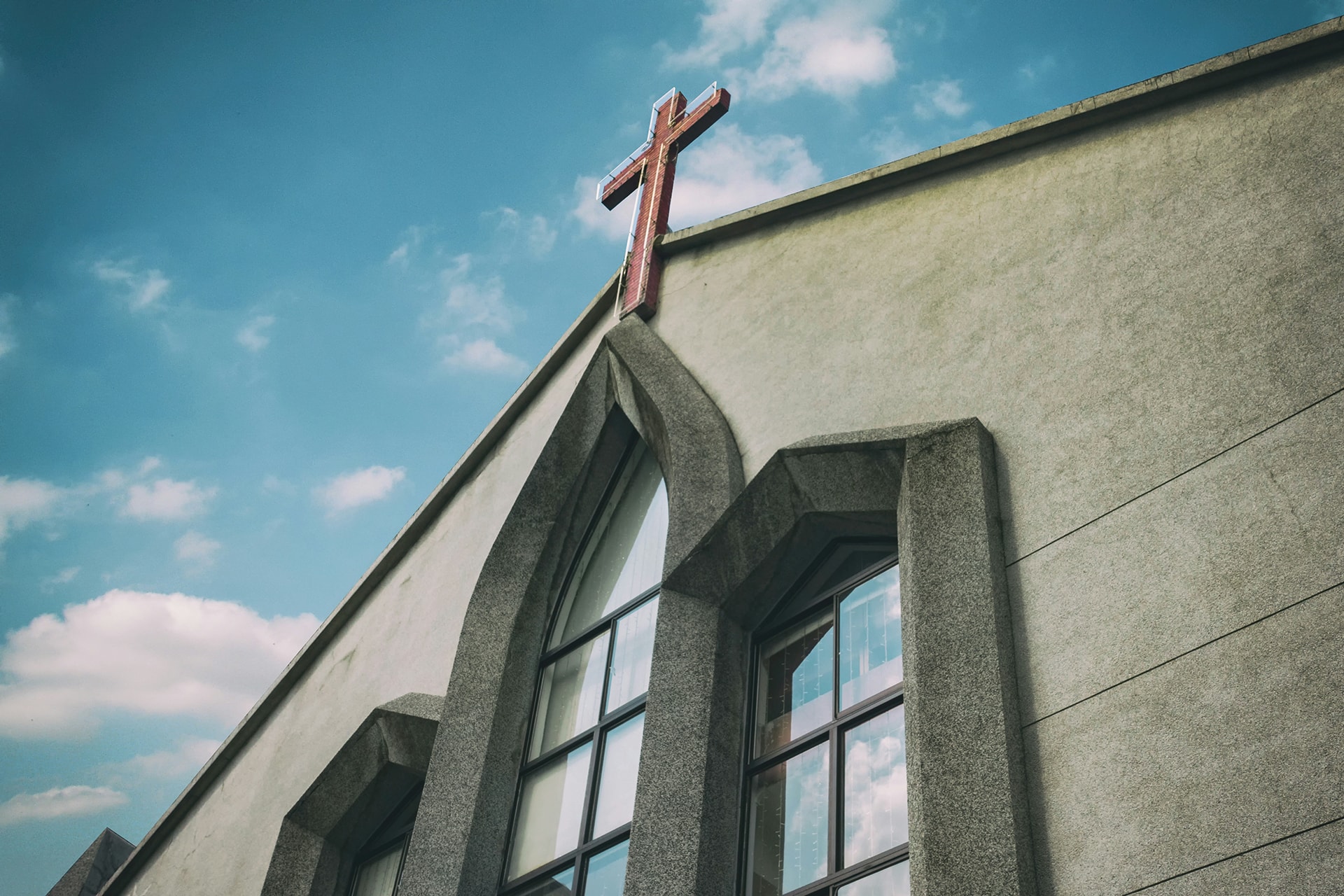
Your Church Website is the New Front Door

5 Advanced Webflow Features Large Churches Can Leverage
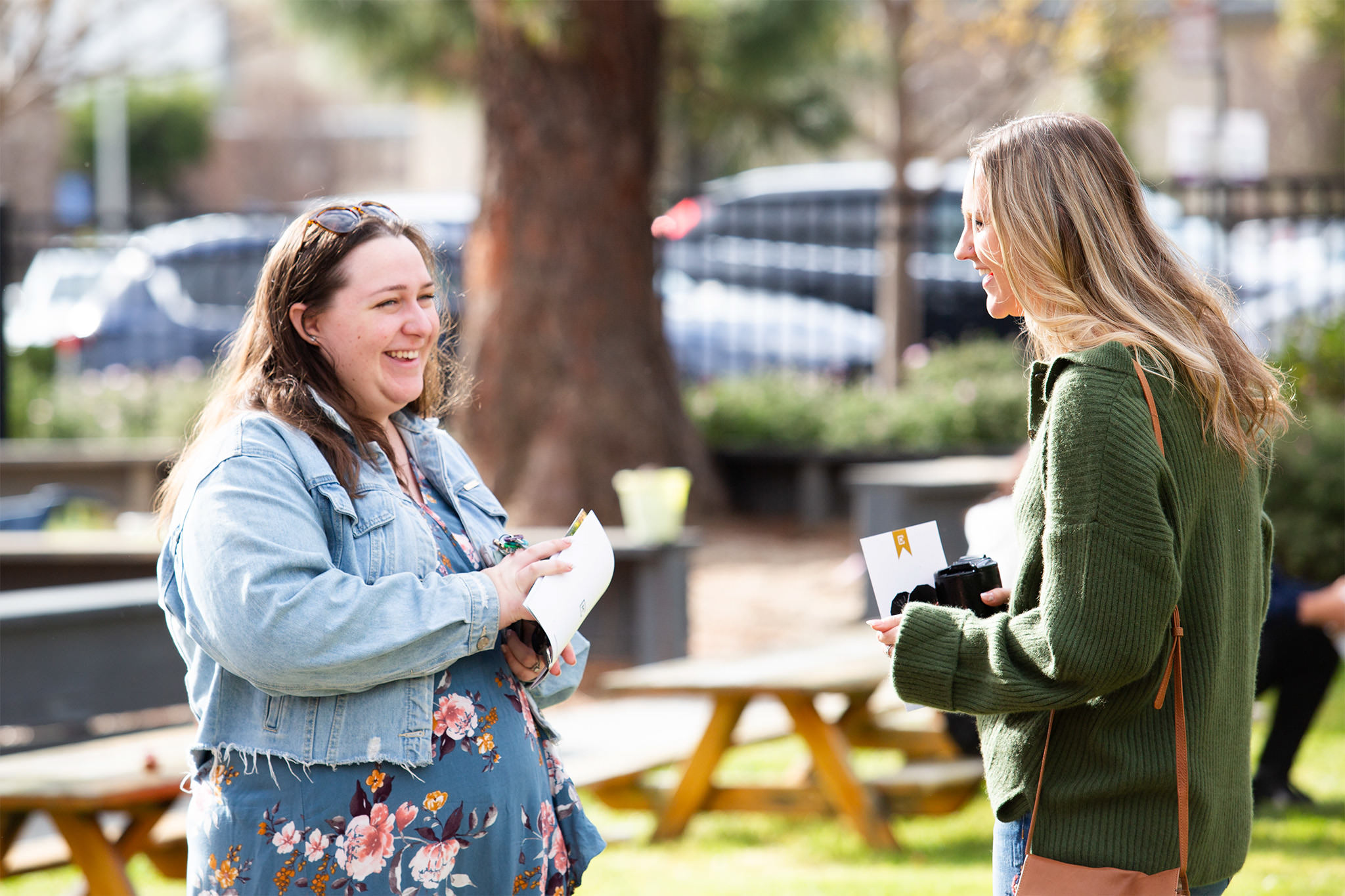
Visiting a Church for the First Time is hard
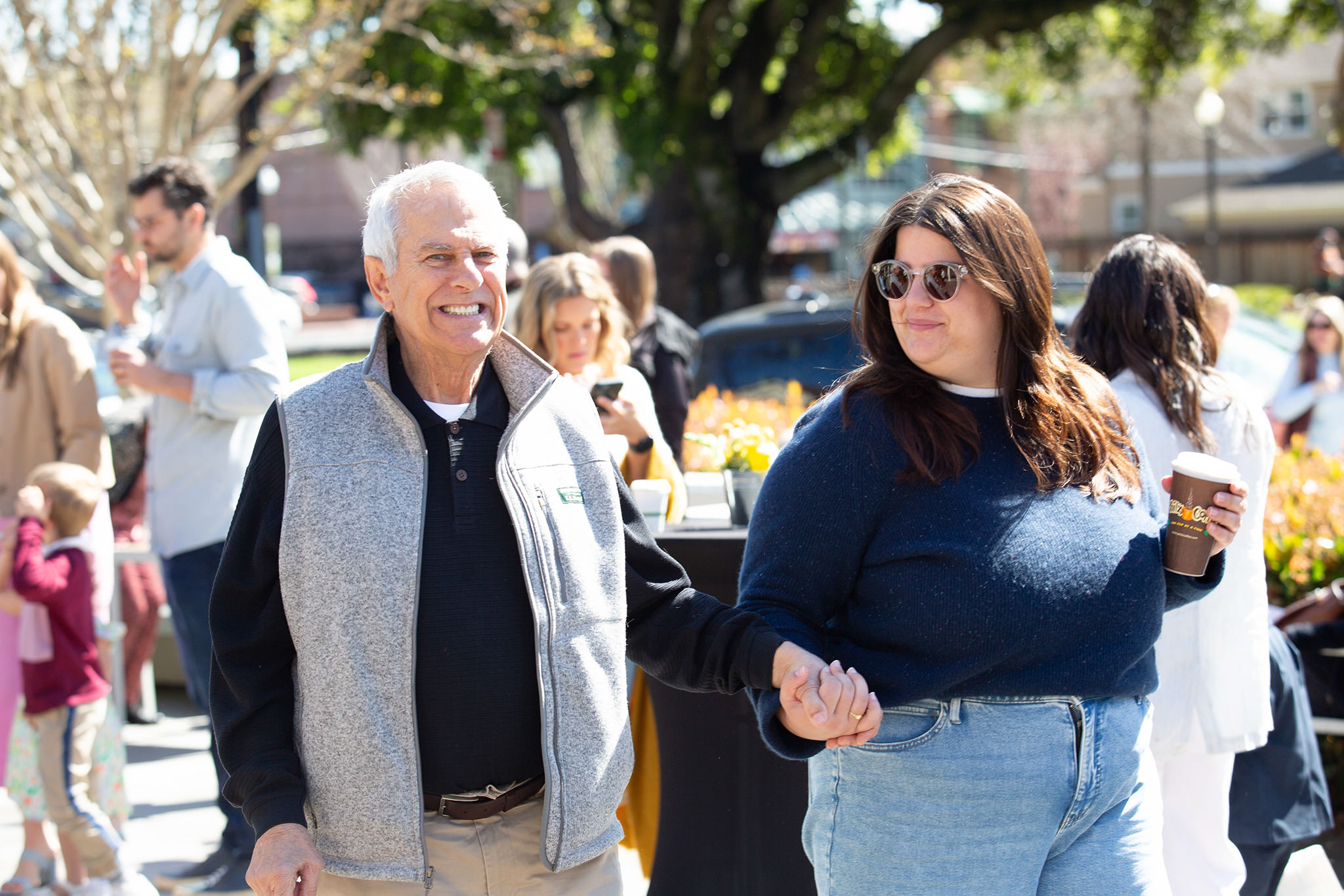
5 Things Every Church Website Should Include

Multi-Campus Church Websites

The Most Important Page on your Church Website

How to Edit Your Church Website in Webflow

Best Church Website Builders in 2025: A Complete Guide

SEO: A Guide for Churches

How your Church can Effectively Engage with Visitors

How to Write Great Website Copy

Custom vs. Template Church Websites

What is Webflow? The Best Platform for Church Websites

The Best Church Websites of 2024

Who is Your Church Website For?

Best Practices for Sunday Announcements


Are you ready?
